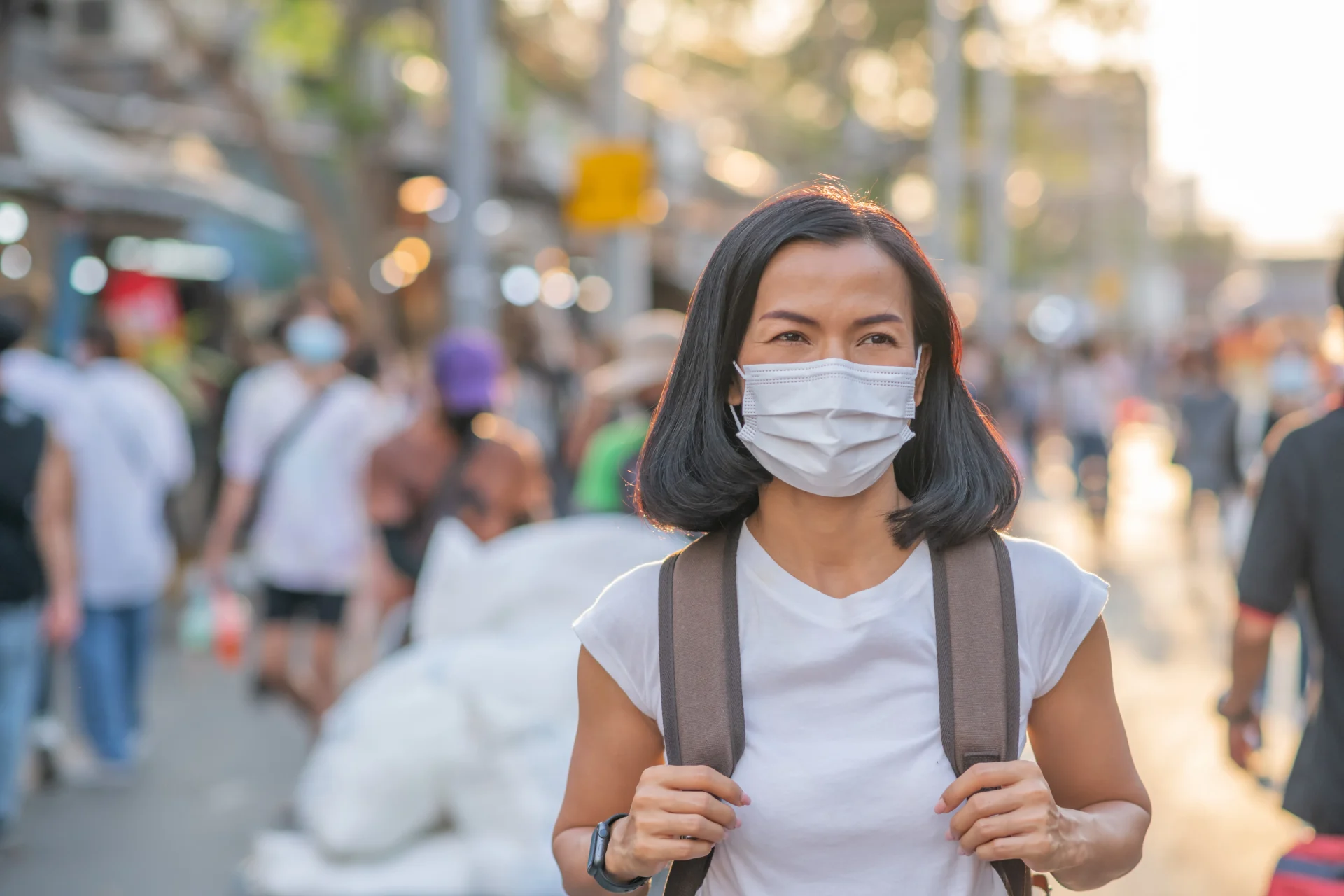
Year-End Trips? Don’t Let Your Guard Down—PM2.5 Rides In With the Cold Breeze
Over the past week, several Asian countries have reported a sharp rise in PM2.5 levels. Thailand has also been affected, with elevated readings reported across 21 provinces. In many areas, fine particulate concentrations have reached levels that may impact health. In Bangkok, especially the Bang Rak District, reported PM2.5 as high as 63.0 µg/m³ on December 4, 2025, while the province-wide average was 43.7 µg/m³—a range often described as “orange” to “red,” indicating a higher health risk.
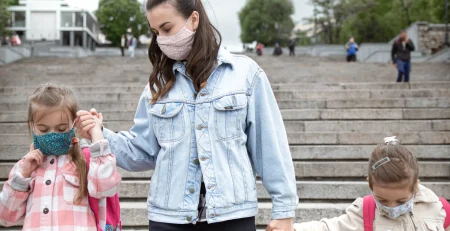
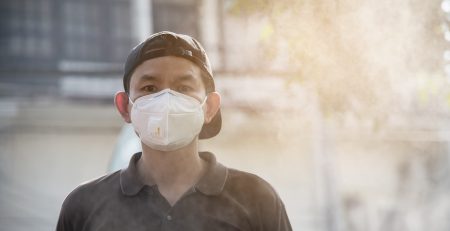
Thailand is one of the most popular destinations during the year-end season for both local and international travelers. With cooler weather, outdoor activities and sightseeing become especially appealing, and many regions enter their peak tourism period. That said, travel plans can be disrupted if air quality is ignored. PM2.5 is often referred to as an “invisible threat” because it can affect your health without immediate, obvious signs—particularly in busy tourist areas and economic zones, or for anyone spending long hours outdoors or commuting.
When PM2.5 levels rise, symptoms can vary from person to person. Here are some common signs:
1) General public
Nasal irritation, sneezing, and a clear runny nose
Coughing or feeling slightly short of breath
Red, itchy, or watery eyes
2) People with respiratory conditions or allergies
(e.g., allergic rhinitis, asthma, or other lung conditions)
Symptoms may flare up, such as heavier congestion, a runny nose, and coughing
Wheezing or noticeable difficulty breathing
If symptoms worsen or don’t improve, it’s best to seek medical advice
3) People with skin conditions or sensitivities
Increased itchiness
Flare-ups of rashes or redness that are harder to manage
Why PM2.5 Often Spikes From Late And Early Years
PM2.5 often becomes more severe between late and early years due to a combination of factors. Calm conditions and weaker winds can trap pollution closer to the ground, making it harder for particles to disperse. In addition, emissions from fuel combustion and biomass burning—both within Thailand and from surrounding regions—can raise PM2.5 levels and prolong haze episodes.
On poor-air-quality days, spending time outdoors may lead to discomfort such as nose and throat irritation or a feeling of “not breathing as freely.” A few simple steps can help:
Limit long outdoor activities when PM2.5 is high
Prioritize rest and hydration
Pay attention to unusual symptoms, especially if you have existing sensitivity
Extra On-the-Go Comfort: Happy Noz Runny Nose Relief Patch (Detox PM2.5 Formula)

If you want an easy, portable option to stay more comfortable while you’re out and about, Happy Noz Runny Nose Relief Patch (Detox PM2.5 Formula) can be a helpful choice. It contains clove oil extract, which is rich in antioxidants, and helps relieve feelings of nasal and throat irritation caused by dust, supporting a fresher, more comfortable breathing experience during periods when PM2.5 levels are elevated.
Sources
- When you can’t avoid PM2.5 pollution, how should you take care of yourself! : https://www.phyathai.com/th/article/3430-%E0%B9%80%E0%B8%A1%E0%B8%B7%E0%B9%88%E0%B8%AD%E0%B8%AB%E0%B8%99%E0%B8%B5%E0%B8%9D%E0%B8%B8%E0%B9%88%E0%B8%99_pm_2_5_%E0%B9%84%E0%B8%A1%E0%B9%88%E0%B9%84%E0%B8%94%E0%B9%89_%E0%B8%84%E0%B8%A7?srsltid=AfmBOoqfU7lART-N2W5oHi2a7qSwoLCdx7W15yxwh-FBUuRahEnhSL6Q
- PM2.5 dust levels unsafe in most of Thailand : https://www.bangkokpost.com/learning/really-easy/3147690/pm25-dust-levels-unsafe-in-most-of-thailand
- Bangkok issues WFH order as PM2.5 levels reach unhealthy levels in key areas : https://www.nationthailand.com/thailand/bangkok/40059214