Beware of Water Contamination After Flooding: A Long-Term Health Concern
In recent weeks, continuous heavy rainfall has affected many parts of Asia, leading to widespread flooding and significantly disrupting daily life. These events have impacted public safety, sanitation, and the overall environment, while also increasing the risk of water and environmental contamination. Although conditions in some areas have begun to improve, health-related risks—particularly those associated with contamination after floodwaters recede, such as polluted water sources and the spread of disease—remain a matter that requires close and ongoing attention.
One of the major concerns after flooding is water and environmental contamination. Floodwaters often carry bacteria, fungi, viruses, and accumulated debris from stagnant water, mud, and dust. These contaminants can become airborne or enter the body through inhalation and direct contact, potentially leading to illness. Diseases affecting the respiratory system are among the most common health issues observed during this period.
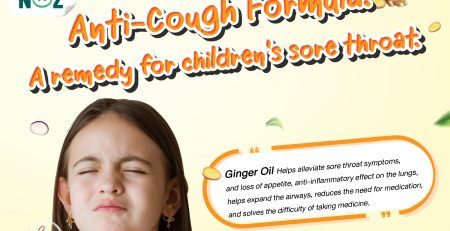
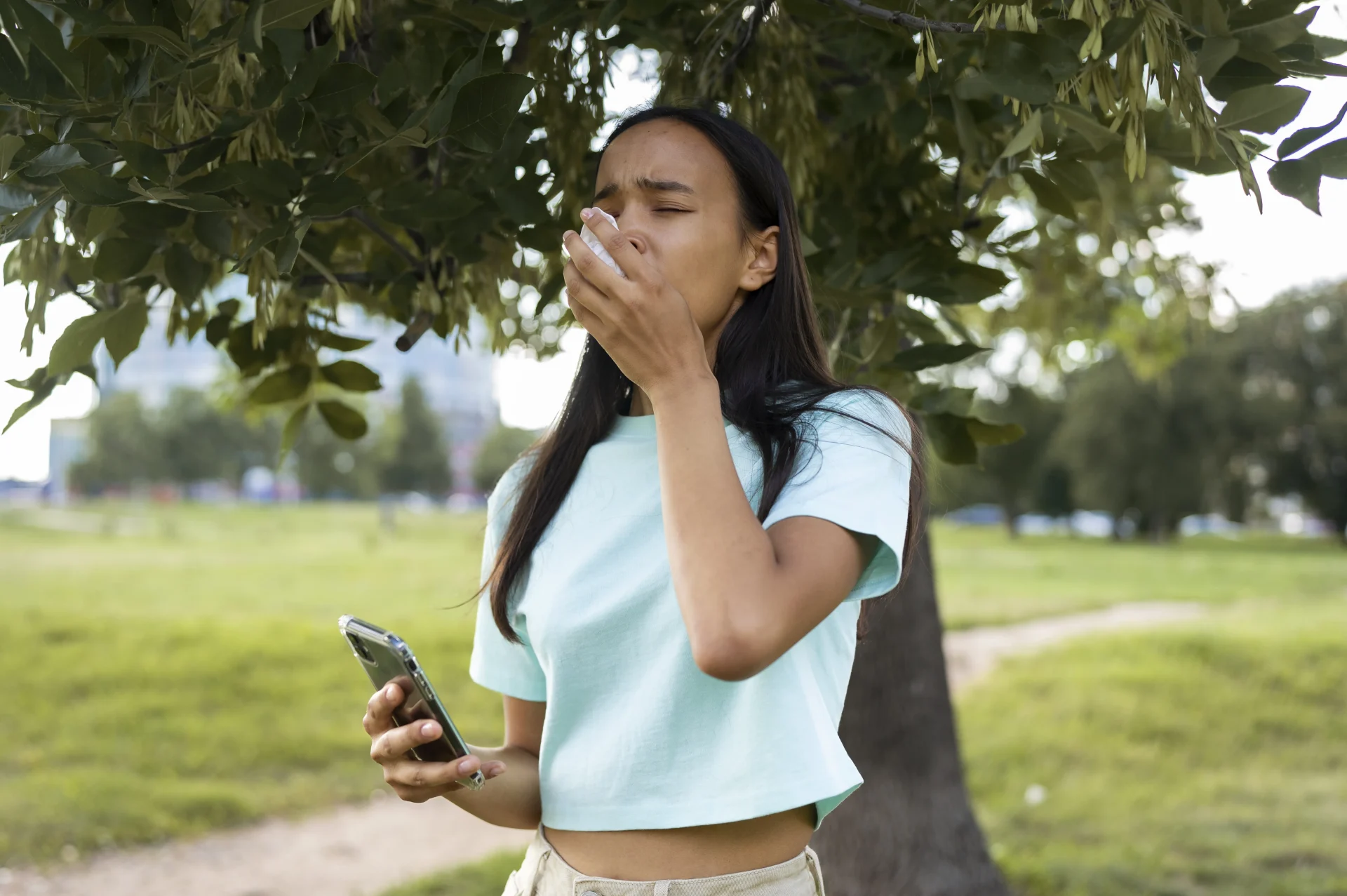
During post-flood recovery activities, such as cleaning homes and public spaces, individuals in affected areas may be exposed to pathogens more frequently than usual. Symptoms associated with respiratory infections may include fever, coughing, sore throat, fatigue, loss of appetite, nasal congestion, runny nose, headaches, and body aches. If such symptoms occur, appropriate self-care is advised. Should symptoms persist or worsen, seeking guidance from healthcare professionals is strongly recommended.
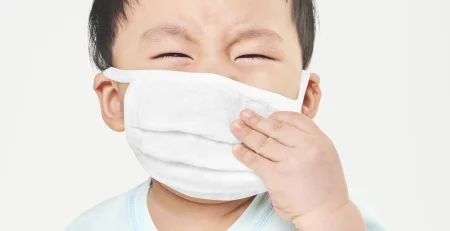
Preventive measures after flooding should not be overlooked. It is advisable to avoid direct contact with contaminated water, wear face masks while cleaning, and use protective equipment such as gloves and boots. Washing hands thoroughly after completing any recovery tasks is essential. In addition, getting adequate rest, consuming nutritious food, and drinking clean water regularly can help strengthen the body and support overall health.
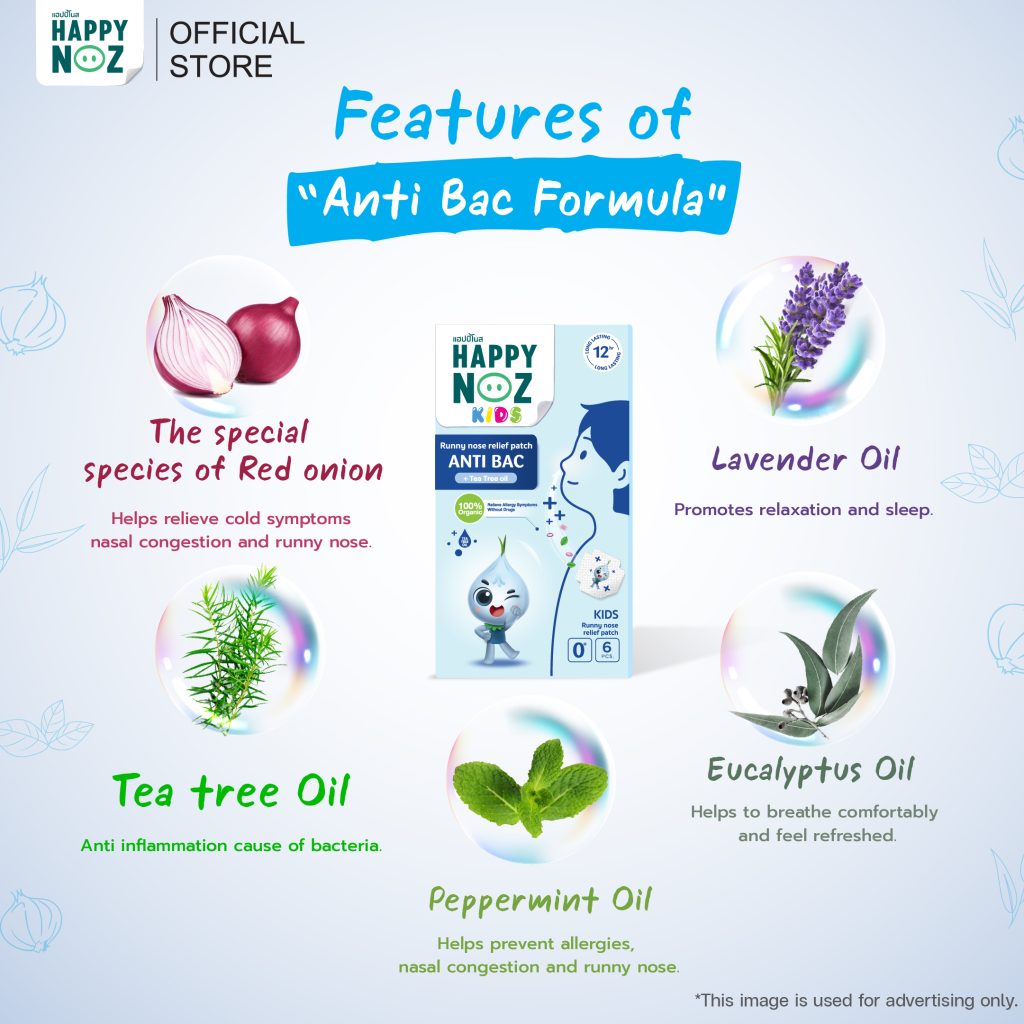
In situations where health risks are heightened, some individuals may seek simple daily measures that help promote comfort and ease of breathing. For example, 💙 Happy Noz Anti Bac Formula, which contains tea tree oil, may help provide a refreshing sensation and support a feeling of clearer breathing as part of basic personal care during times when environmental conditions remain challenging.
Ultimately, post-flood health management should take a comprehensive approach. Staying informed and following recommendations from public health authorities can help reduce risks associated with water contamination and support the well-being of both individuals and communities as they recover and move forward safely.
Sources :
- At least 1,250 people dead: What caused the devastating Asia floods? : https://www.aljazeera.com/news/2025/12/2/at-least-1250-people-dead-what-caused-the-devastating-asia-floods
- Ocean warmed by climate change fed intense rainfall and deadly floods in Asia, study finds : https://english.kyodonews.net/articles/-/66613
- Heavy to very heavy rain warning for Southern Thailand — check high-risk areas for “flash floods” and “runoff/forest floods.” : https://www.thairath.co.th/news/local/south/2901299
- Diseases associated with flooding : https://www.si.mahidol.ac.th/th/healthdetail.asp?aid=926
- Infectious diseases and dangers caused by flooding : https://www.bangkokhospital.com/th/bangkok/content/contagious-diseases-dangerous-from-the-flood