Urban Allergies Explained: Why City Dwellers Get Nasal Congestion—and How to Relieve It
As global weather patterns become increasingly extreme and unpredictable, large cities are among the areas most affected by pollution and environmental factors that irritate the respiratory system—making it harder for many people to understand how to relieve nasal congestion effectively in everyday urban life.
Dust particles, traffic emissions, and poor air circulation all contribute to symptoms such as nasal congestion, runny nose, frequent sneezing, and nasal irritation, even on days when there is no cold or flu.
According to the Asthma and Allergy Foundation of America (AAFA), living in large urban environments may worsen allergy symptoms for some individuals. This is largely due to declining air quality and the abundance of environmental triggers commonly found in city settings.
What Are Urban Allergies?
Urban allergies are not a new medical condition, but rather a form of allergic rhinitis that is triggered more frequently by city environments. Large cities are filled with residential buildings, commercial spaces, shops, and ongoing construction activities. As a result, green spaces are reduced—even though they play an important role in absorbing pollutants and regulating temperature.
With an increase in concrete surfaces, roads, and buildings, cities tend to retain heat more effectively. This leads to warmer conditions and allows pollutants to accumulate more easily. When air pollution and allergens increase, the nasal lining becomes more susceptible to irritation, making nasal congestion more frequent—especially for individuals with allergies.
Key Factors That Cause Frequent Nasal Congestion in City Residents
1) Cities Are Hotter Than Surrounding Areas
The Urban Heat Island effect causes cities to trap heat due to concrete, asphalt, and buildings. Higher temperatures can dry out the nasal passages, increase irritation, and make the nose more sensitive to allergens—often worsening nasal congestion.
2) Airborne Pollen and Allergens Remain Longer in the Air
Rising temperatures can extend the pollen season, meaning people with pollen allergies may experience flare-ups for longer periods. When pollen combines with dust and vehicle emissions, symptoms become more severe and last longer.
3) PM2.5 and Traffic Emissions Accelerate Nasal Irritation
Fine particulate matter, such as PM2.5, is one of the most common triggers in urban areas. These tiny particles can penetrate the nasal passages, causing inflammation, swelling, and blocked airflow. In many cases, sneezing and a runny nose may follow
4) Indoor Allergens: Dust Mites, Mold, and Poorly Maintained Air Conditioning
Urban residents often spend long hours indoors, yet indoor environments are not always allergen-free. Dust mites in bedding, carpets, and fabric toys, as well as mold caused by humidity, can repeatedly trigger nasal congestion—especially in closed or poorly ventilated spaces.
Why Nasal Congestion Significantly Affects Daily Life
Although nasal congestion may seem like a minor issue, recurring or persistent symptoms can have a noticeable impact on quality of life, including:
- Difficulty breathing, particularly at night, leading to poor sleep quality
- Daytime fatigue and reduced concentration
- Increased mouth breathing, which can cause throat dryness or irritation
How to Relieve Nasal Congestion Caused by Urban Allergies
Proper self-care can help reduce symptom severity and make daily life more comfortable—especially when avoiding triggers entirely is not possible. Understanding how to relieve nasal congestion starts with minimizing exposure to allergens and improving everyday habits.
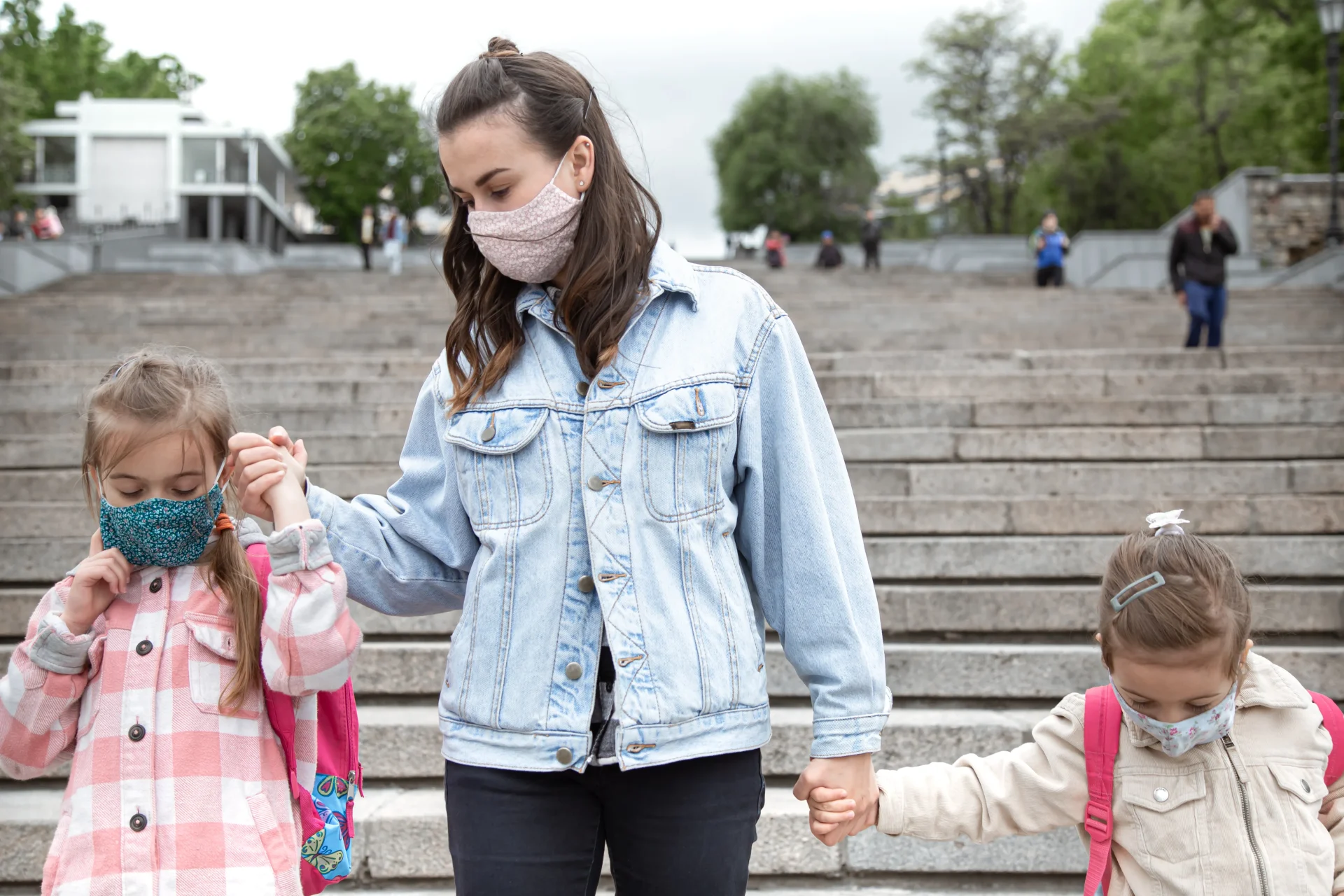
- Avoid areas with high dust or pollen levels; wear a suitable face mask when necessary.
- Keep doors and windows closed during periods of high pollution or pollen, and maintain clean indoor air.
- Reduce allergen buildup at home by minimizing carpets, heavy curtains, and wool blankets; choose easy-to-clean materials instead.
- Clean furniture regularly and wear a mask while cleaning.
- Use allergen-reducing pillowcases, mattress covers, and blankets.
- Wash bedding according to hygiene recommendations and limit dust-collecting fabric toys in children’s bedrooms.
- Avoid cigarette smoke and smoking environments.
- If using air conditioning frequently, clean air filters regularly and choose systems with air filtration.
- Maintain overall health with regular exercise and a balanced diet.
For those who experience sudden or frequent nasal congestion, having a convenient nasal congestion remedy can further support daily care—especially one that fits seamlessly into a busy urban lifestyle. One such option is Happy Noz Nasal Congestion Relief Patch, designed for easy inhalation through breathing. Simply applied to clothing, it is portable and convenient, making it suitable for various urban situations when breathing feels uncomfortable or congested.

Frequent nasal congestion among city dwellers is closely linked to urban environments, including pollution, rising temperatures, and both outdoor and indoor allergens. By understanding these causes and learning how to relieve nasal congestion through lifestyle adjustments and supportive solutions, it is possible to breathe more comfortably and live with greater confidence in the city.
Sources
- Has City Living Worsened Your Allergies? : https://www.myclearup.com/blogs/articles/city-living-worsened-allergies
- How Urban Living Intensifies Allergy Symptoms: Exploring the “Heat Island” Effect : https://premiumallergy.com/how-urban-living-intensifies-allergy-symptoms-exploring-the-heat-island-effect/
- Climate Change and Its Impact on Seasonal Allergies : https://community.aafa.org/blog/climate-change-and-its-impact-on-seasonal-allergies
- Allergic Rhinitis Targets People in Big Cities : https://yeditepehastaneleri.com/en/health-guide/diseases-treatments/allergic-rhinitis-targets-people-big-cities
- Common Big City Allergies : https://www.bestallergistnyc.com/common-big-city-allergies/