Small Symptoms, Big Disruption—Understanding Allergic Rhinitis
Allergic rhinitis—often referred to as nasal allergies—is a common condition that affects the nose and respiratory system. While it may not seem serious at first, allergic rhinitis can significantly impact daily comfort, sleep quality, and overall well-being, especially in young children who may not yet be able to clearly express their discomfort.
Common symptoms of allergic rhinitis include nasal congestion, a clear runny nose, sneezing, and noisy breathing, which often become more noticeable at night or during sleep. For parents, these symptoms can be particularly worrying when they disrupt a child’s sleep and daily routine.
What Causes Allergic Rhinitis?
Allergic rhinitis develops when the immune system reacts strongly to allergens in the air. These allergens are usually harmless substances, but in people with allergies, the body treats them as a threat.
Common airborne allergens include:
- Dust and dust mites
- Pollen from trees, grass, or weeds
- Pet dander
- Air pollution or chemical irritants
Symptoms often appear after repeated exposure over time, rather than immediately at birth. While genetics can increase the likelihood of developing allergic rhinitis, having parents with allergies does not mean a child will experience the same symptoms. Many children inherit only a tendency toward allergies, and their reactions may change as they grow.
Allergic Rhinitis Can Affect All Ages
Although allergic rhinitis is frequently associated with childhood, it can develop at any stage of life. Some people experience symptoms for the first time as adults, often due to environmental changes, urban living, or increased exposure to air pollution.
Common Signs of Allergic Rhinitis in Young Children
- Noisy or mouth breathing during sleep
- Persistent clear nasal discharge
- Restless or poor-quality sleep
- Irritability caused by difficulty breathing
When left unmanaged, allergic rhinitis may affect a child’s sleep, behavior, concentration, and overall development.
Understanding Allergic March (Atopic March)
Allergic March, also known as Atopic March, describes the typical progression of allergic conditions as children grow. Allergic rhinitis often appears as part of this pattern.
A commonly observed sequence includes:
- Birth – 1 year: Atopic dermatitis (eczema)
- Ages 1 – 3: Food allergies
- Ages 4 – 6: Seasonal allergic rhinitis
- Ages 5 – 7: Asthma
While studies suggest that exclusive breastfeeding during the first six months may help lower the risk of certain allergic conditions, it does not completely prevent allergic rhinitis. This condition develops through a combination of genetic and environmental factors.
Can Allergic Rhinitis Be Cured?
There is currently no single treatment that permanently cures allergic rhinitis for everyone. However, symptoms can usually be managed effectively with the right approach.
Treatment strategies may include:
- Avoiding known allergens when possible
- Symptom-relief medications prescribed by a healthcare professional
- Immunotherapy (allergy shots or drops), which may help reduce sensitivity to specific allergens over time for some individuals
Early recognition and consistent management are key to keeping symptoms under control and improving quality of life.
Gentle Everyday Support for Children with Allergic Rhinitis
For young children experiencing nasal congestion related to allergic rhinitis, parents often look for gentle and non-invasive options that can be used as part of daily care.
💜 Happy Noz Nasal Congestion Relief Patch – Original Formula 💜
Is designed to support comfortable breathing gently. The patch contains extracts from a special variety of red onion essential oil, traditionally used to help relieve nasal discomfort.
- Helping ease nasal congestion
- Reducing a clear, runny nose
- Supporting smoother breathing
- Minimizing noisy breathing during sleep
It comes in a patch format, easy to use and does not require direct inhalation, making it suitable for young children as part of everyday care.
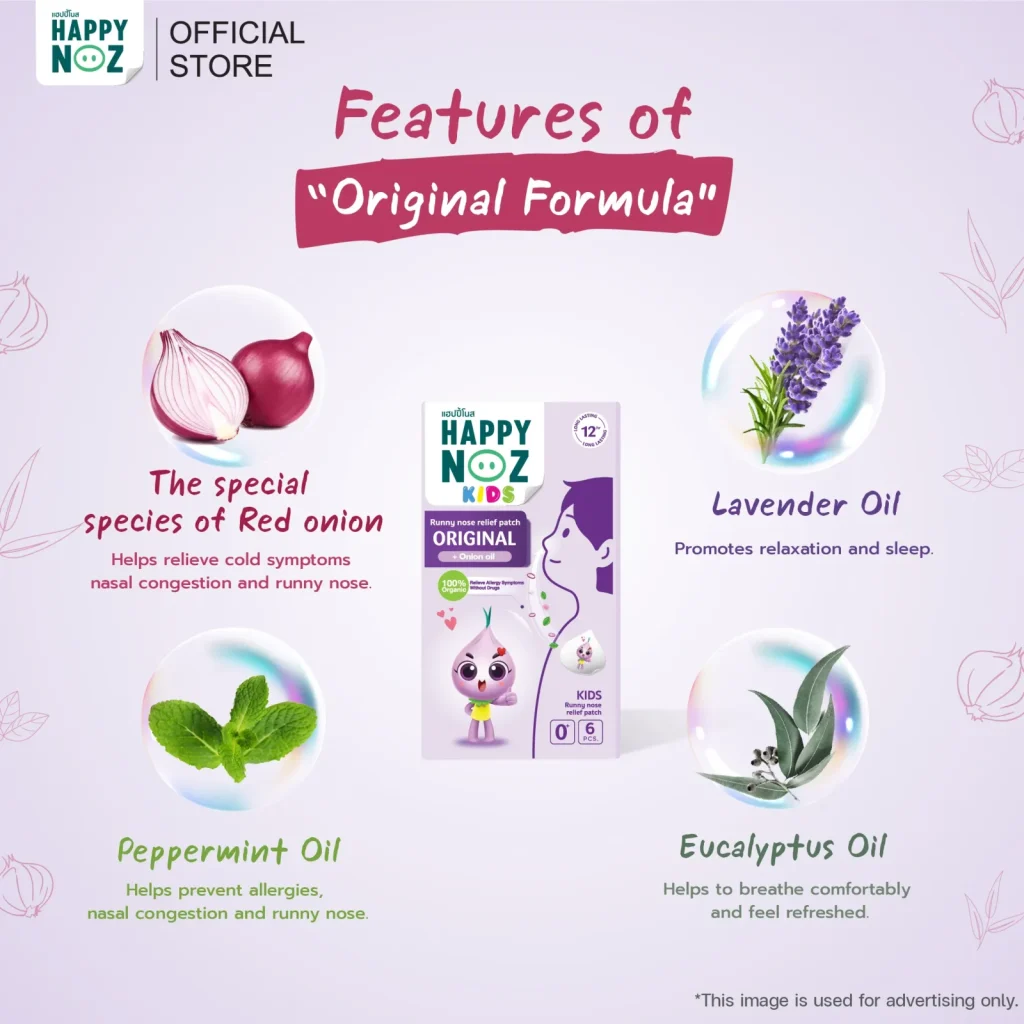
👉 Learn more about Happy Noz Nasal Congestion Relief Patch – Original Formula here
Allergic rhinitis is a common condition that can affect both children and adults. Symptoms often develop gradually through repeated exposure to allergens and may change over time.
Managing allergic rhinitis is not just about waiting for symptoms to pass—it involves understanding triggers, recognizing early signs, and having gentle support options readily available for everyday life.
Because sometimes, breathing comfortably at night means better rest—and peace of mind—for the whole family.
Sources :
- Global Burden of Allergies: Mechanisms of Development, Challenges in Diagnosis, and Treatment : https://www.mdpi.com/2075-1729/15/6/878
- Developing Allergies : https://www.aaaai.org/tools-for-the-public/conditions-library/allergies/develop
- Allergies and Age: When do allergies develop : https://charlestonallergy.com/allergies-and-age-when-do-allergies-develop/
- How Childhood Allergies Differ from Adult-Onset Allergies : https://rivieraallergy.com/how-childhood-allergies-differ-from-adult-onset-allergies/
- Allergies can appear at any age : https://www.allergyuk.org/these-3-things-1/