
Bronchitis in Changing Weather: Key Facts for Staying Well in Storm Season
Asia is the largest and most populous continent in the world. Its vast geographical and climate diversity means that many countries experience significant seasonal weather changes throughout the year.
In Southeast Asia, including Thailand and the Philippines, the transition from late winter to early summer (around February to May) is often marked by recurring summer storms.
How Summer Storms Affect the Environment
Summer storms are typically characterized by sudden temperature shifts, strong winds, heavy rainfall, and thunderstorms.
While these storms help relieve accumulated heat in the atmosphere, fluctuating weather conditions and rising humidity levels can also have an impact on human health — particularly the respiratory system.
Summer Storms and the Risk of Respiratory Illness
High humidity levels create an environment where certain viruses and bacteria can spread more easily. At the same time, sudden temperature changes may temporarily weaken the body’s immune response.
One common condition during this period is bronchitis.
What Is Bronchitis ?
Bronchitis is an inflammation of the bronchial tubes, which may be caused by viral or bacterial infections, or irritation from pollution and airborne particles.
When the bronchial tubes become inflamed, they swell and produce excess mucus. Common symptoms include:
- Persistent coughing
- Mucus production
- Chest tightness
- Shortness of breath
- Fatigue or mild fever in some cases
Bronchitis can affect people of all ages. However, higher-risk groups include young children, older adults, and individuals with underlying conditions such as asthma or allergies.
Understanding “Thunderstorm Asthma”
In addition to bronchitis, another phenomenon that has gained global attention is
Thunderstorm Asthma — asthma attacks associated with thunderstorms.
Incidents have been reported in various regions, including Europe, Australia, North America, and parts of Asia.
Thunderstorm asthma does not mean that storms directly cause a new disease. Rather, thunderstorms can create environmental conditions that trigger symptoms in individuals who are already sensitive to allergens.
During thunderstorms, strong winds and increased humidity can break pollen and other allergens into smaller particles. These tiny particles are more easily inhaled into the lower airways, potentially triggering sudden asthma flare-ups.
Symptoms may include:
- Wheezing
- Chest tightness
- Severe coughing
- Difficulty breathing
Key Risk Factors to Be Aware Of
- High levels of airborne allergens (aeroallergens)
- Sudden weather changes, especially thunderstorms
- Individuals with asthma, allergies, or a history of respiratory issues
While not everyone will become ill, these combined factors can increase the risk for those who are already sensitive.
How to Protect Your Respiratory Health During Summer Storms
Prevention is especially important for high-risk groups. Practical steps include:
- Monitoring weather forecasts
- Avoiding outdoor activities during storms or high pollen levels
- Wearing a mask in high-risk environments
- Getting adequate rest
- Staying well hydrated
- Eating immune-supportive foods
In addition, small daily support solutions may help promote clearer breathing.
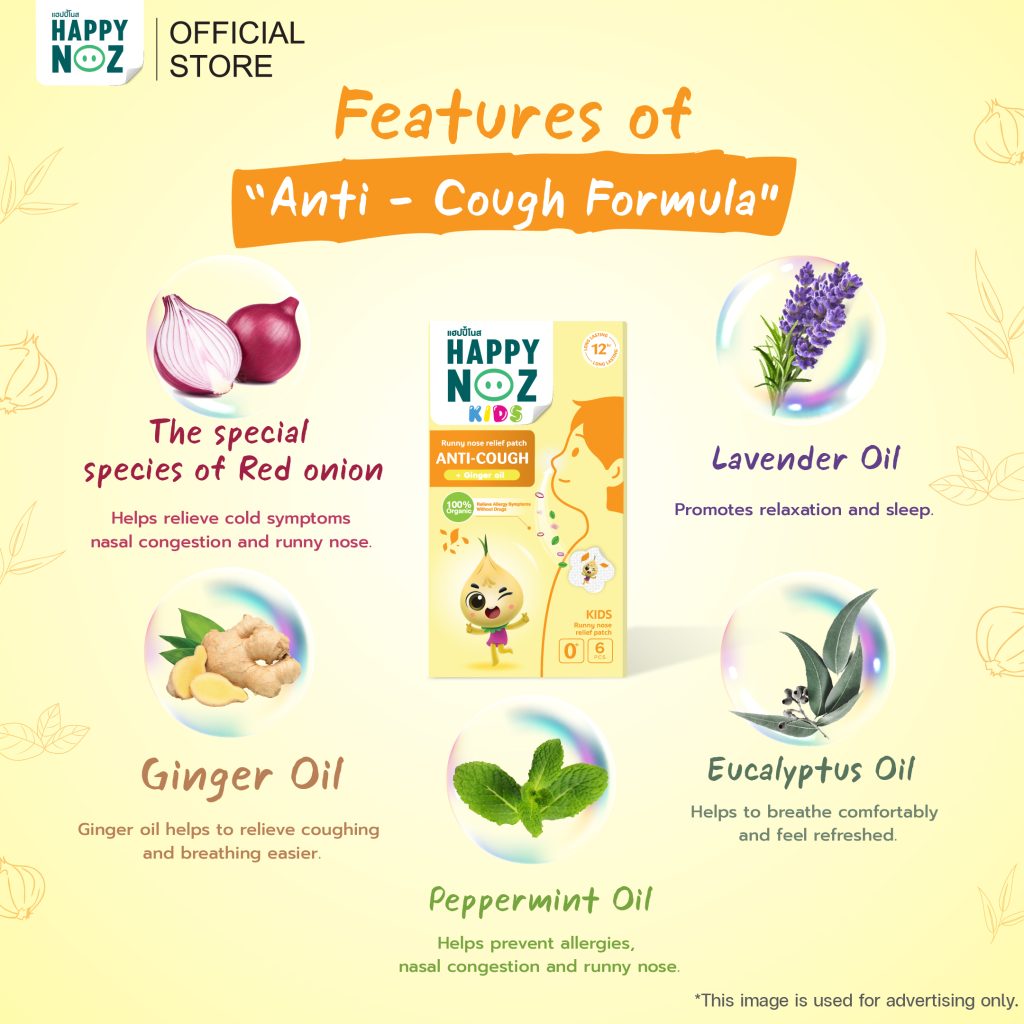
💛💛 Happy Noz Anti-Cough Formula 💛💛
Contains ginger oil, traditionally used to help soothe coughs and sore throats, support phlegm relief, and promote easier breathing.
It help relieve:
- Nasal congestion
- Runny nose
- Noisy breathing
- Mild cold discomfort
Helping you breathe more comfortably during seasonal changes.
Summer storms are not only environmental phenomena — they are also closely connected to public health.
Understanding the link between weather fluctuations and respiratory conditions allows individuals and families to take proactive steps, reduce risk, and better manage symptoms during periods of unpredictable climate change.
Sources :
- Bronchitis: If Left Untreated or Improperly Managed, It May Increase the Risk of Pneumonia : https://www.bpksamutprakan.com/care_blog/view/78
- The Journal of Allergy and Clinical Immunology: In Practice : https://www.sciencedirect.com/science/article/abs/pii/S2213219825003101
- Understanding Summer Storms (Thunderstorms): What Causes Them? : https://www.thaipbs.or.th/now/content/882